
Whether you own a restaurant, run a grocery store, or head an office, your structure is vulnerable to water damage. From waterproof commercial properties solutions such as commercial basement waterproofing to scheduling routine structural inspections and so much more, this blog highlights the top tips you, as a responsible business owner, should follow to waterproof your facility, protect your investment, and safeguard your brand image. So if you’re worried about mold or you don’t want to stress about thousands of dollars in repair costs, read along as we explain all the things you should do.
Tips & Tricks For Commercial Waterproofing: An Expert’s Recommendations
Key Waterproofing Construction has been in the industry for years, helping entrepreneurs waterproof commercial properties by securing their facilities against leaky roofs as well as flooded basements. This is why we have created this list of useful tips to keep your facility from turning into a soggy mess with five simple strategies.
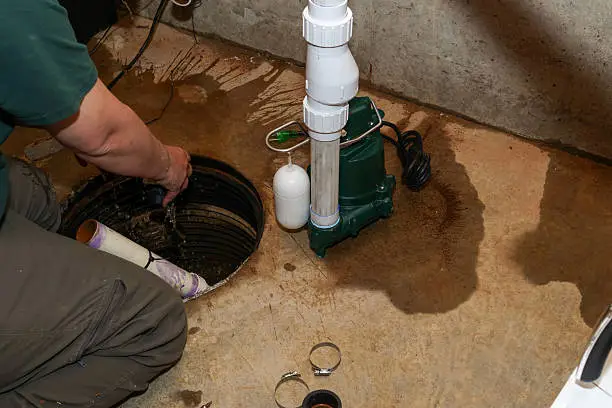
Read along as we explain all the things you should do to prevent moisture damage.
- Tip 1: Schedule Routine Inspections
One of the most important things that you can do to prevent water damage to your business facility is to have experts conduct routine inspections. This proactive step is a cornerstone of efforts to waterproof commercial properties effectively. It helps identify any potential vulnerable spots in walls, roofs, and basements in time. Your professional waterproofing technicians will then be able to seal cracks and gaps, securing your property against water damage before it’s too late.
| Pro Tip Always have your property inspected after major storms! |
- Tip 2: Selecting Appropriate Waterproofing Materials
Never be stingy with your waterproofing materials. Investing in high-quality products is a key step to successfully waterproof commercial properties. Things like liquid-applied membranes, polyurethane coatings, and bentonite sheets are some of the best materials to safeguard your business facility against moisture damage, preventing leaks and mold growth.
| Note! Ask experts for their opinion, as only they can make accurate judgments based on your architecture and local weather. |
- Tip 3: Effective Drainage
Never underestimate your drainage system when it comes to water damage! A correctly installed drainage system that is made of the right materials and has enough incline is essential to effectively waterproof commercial properties. This not only keeps your roof safe from leaks but also prevents basement flooding, protecting your entire facility from costly water damage.
| Bonus Tip Have professionals clean your drains regularly to keep debris from blocking the pipes and preventing efficient drainage! |
- Tip 4: Quality Seals for Vulnerable Areas
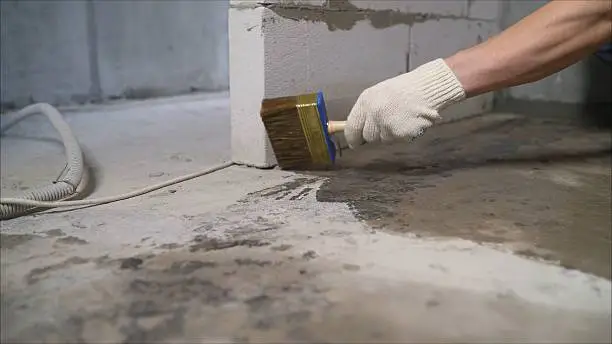
Another important tip to effectively waterproof commercial properties is to seal off all seams and joints in your roof, along windows, and in the basements. Use caulk in the basement and securely nail down flashing around skylights and commercial chimneys. Also, opt for the best materials so that you don’t have to worry about repairs or leaks any time soon.
- Tip 5: Roof Maintenance & Repairs
Your roof is one of the most vulnerable areas of your building’s structure, being directly pelted by rain and snowstorms. To properly waterproof commercial properties, regularly replace missing shingles, repair broken tiles, and fix compromised membranes. If you can, upgrade to more durable roofing materials that are less prone to water damage.
| Expert Advice Use BUR, TPO, or EPDM roofing to fortify your property against water damage. |
Commercial Waterproofing: Why Is It Important?
Okay, now that you understand what you should do, you might be wondering what the true advantages are of these investments. We’re glad you asked! From protecting documents to safeguarding your brand image, here is a look at what makes efforts to waterproof commercial properties such a solid investment:
- Prevents Costly Repairs: One of the main downfalls of water damage is the thousands of dollars that go into repairs. By investing in routine maintenance, you save your business thousands of dollars in profit.
- Safeguarding Brand Image: A flooded restaurant or a leaky office is never a good thing. By having a solid waterproofing plan in place, you create a positive brand image.
- Energy Efficiency: Waterproofing also prevents extra energy consumption, saving hundreds of dollars in monthly expenses.
- Extending Building Longevity: Finally, taking steps to waterproof commercial properties results in an integrally strong structure that tends to last longer, creating a safe and durable space for your investment and employees.

Conclusion
To conclude, efforts to waterproof commercial properties are integral to the success of your business. Not only does it prevent mold growth and content loss, but it also safeguards your brand image and investment. By following simple tips like choosing the right waterproofing materials and fixing small problems immediately, you can protect your business against all kinds of water damage.
FAQs
What are the key areas of a commercial building that need waterproofing?
The roofs, floors, basements, foundations, and walls need the most waterproofing.
How long does waterproofing need to dry?
Typically, waterproofing needs about 24 to 48 hours to dry.
What is the best time to install waterproofing?
Schedule waterproofing installation during mild weather and low humidity levels.
What is the cost range for waterproofing a commercial building?
Cost varies widely by size, damage extent, materials used, and site complexity. Commercial waterproofing projects can range from a few thousand dollars to tens of thousands (or more) in large or complex buildings.
Can waterproofing also prevent mold, mildew, and indoor humidity problems?
Yes. By preventing water infiltration and moisture accumulation, proper waterproofing helps reduce the conditions favorable for mold and mildew growth.