
There are chances that you might immediately think your HVAC system is to blame when your home feels colder than usual in winter or uncomfortably warm in summer. But in many cases, the crawl space is the real issue hidden right beneath your feet. Most homeowners rarely think about it, yet that small, dark area under your house plays a huge role in how efficiently your home uses energy. This is where Crawl Space Waterproofing comes in to make your home healthier, drier, and much more energy-efficient at the same time.
Why the Crawl Space Waterproofing Matters More Than You Think
The crawl space is part of the foundation of your home, and when it is left damp, unsealed, poorly insulated, or lacking proper crawl space waterproofing, it becomes a pathway for outside air and moisture to sneak inside. That humid air can rise into your living spaces, which will force your heating and cooling systems to work harder.
According to the U.S. Department of Energy, sealing and insulating the crawl space can reduce energy costs by as much as fifteen to twenty percent. For homeowners in Cambridge, MA, that is an impressive improvement for an area that most people never pay attention to.
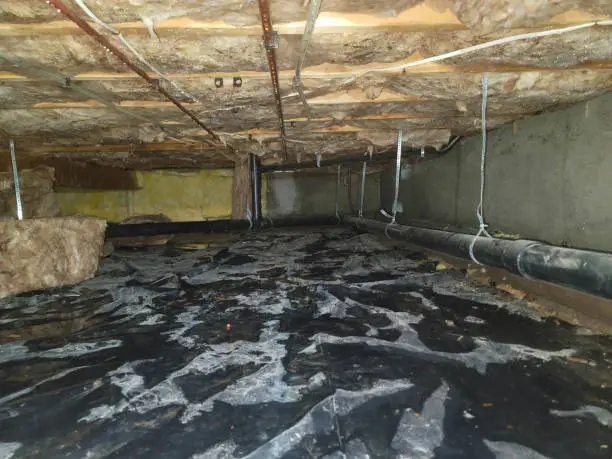
What Crawl Space Waterproofing Really Does
It might sound like it is just about stopping water leaks, but it’s so much more when you hear the term Crawl Space Waterproofing. Waterproofing is a complete system that tends to control moisture, block the unwanted air, and stabilize the environment under your home.
The process would usually involve sealing gaps and cracks, installing a thick vapor barrier along the ground and walls, ensuring insulation is properly placed, and adding comprehensive crawl space waterproofing measures. This transformation will turn your crawl space from a damp, neglected zone into an energy-saving part of your home.
The Role of Moisture in Energy Loss
It is important to know that moisture is one of the biggest enemies of insulation. Once insulation becomes damp, it quickly loses its effectiveness. That means your home loses heat in the winter and struggles to stay cool in the summer.
Crawl Space Waterproofing is more likely to keep the insulation dry and functional, which will help your home to maintain a steady temperature all year long. The result is a comfortable indoor environment with less strain on your HVAC system and noticeably lower utility bills at the same time.
Why Ductwork Benefits From a Dry Crawl Space
Another hidden advantage of Crawl Space Waterproofing is its effect on ductwork. In many homes, air ducts run through the crawl space, meaning they’re exposed to temperature extremes and humidity. When the crawl space is damp or unsealed, the ducts lose heated or cooled air before it even reaches your rooms. By keeping the crawl space dry and sealed through proper crawl space waterproofing, you protect your ductwork and improve your system’s efficiency, allowing your HVAC to work smarter instead of harder.
The Connection Between Moisture and Air Quality
Moisture does not just waste energy, but it also affects the air you breathe. The excess amount of humidity in the crawl space can lead to wood rot, mold growth, and unpleasant odors over time that might drift upward into your home.
Some studies show that nearly half of the air on your first floor originates from your crawl space. That means if your crawl space is damp, your indoor air quality would definitely suffer. With proper Crawl Space Waterproofing, you can create a cleaner, drier foundation that directly improves the freshness and health of your indoor air.
The Noticeable Difference After Waterproofing
Homeowners who take the step toward Crawl Space Waterproofing often notice a change almost immediately. Floors feel warmer during cold months, indoor humidity levels drop, and that lingering musty smell disappears.
More importantly, their energy bills shrink because the home is no longer leaking air and energy through the foundation. It’s the kind of upgrade that not only makes your house feel better but also saves you money over time.
Debunking the Myths About Crawl Spaces
There are a lot of people who still believe that a vented crawl space helps the area “breathe.” That idea is completely outdated. The open vents will allow humid outdoor air to enter, raising energy costs and increasing the risk of mold.
Modern building science has recommended sealing and conditioning the crawl space instead. This approach would stabilize the air and make it easier for your home to retain heating and cooling energy. Crawl Space Waterproofing is now considered the standard for energy-conscious homeowners.
The Bottom Line
In the end, Crawl Space Waterproofing is about much more than preventing water damage. It is about transforming a forgotten, inefficient part of your home into one that contributes to comfort, efficiency, and health.
If you have been dealing with uneven temperatures, high energy bills, or that constant damp smell, then the answer might be hiding right beneath you. You will create a stronger, more efficient home that feels just as good as it performs by giving your crawl space the attention it deserves.
FAQs
1. How much can Crawl Space Waterproofing save on energy bills?
Most homeowners can expect heating and cooling savings between fifteen and twenty percent, depending on their climate and home condition.
2. Will waterproofing stop mold growth?
Yes, it helps prevent future mold by eliminating excess humidity, though existing mold may still need professional treatment.
3. Is professional waterproofing really necessary?
Professional installation ensures long-term results, proper sealing, and correct insulation.
4. Does it increase my home’s value?
Absolutely. A clean, sealed crawl space is a major selling point for buyers who care about energy efficiency and home health.
5. How long does a waterproofing system last?
A high-quality system can last over twenty years with minimal maintenance when properly installed.